




.webp)
.webp)


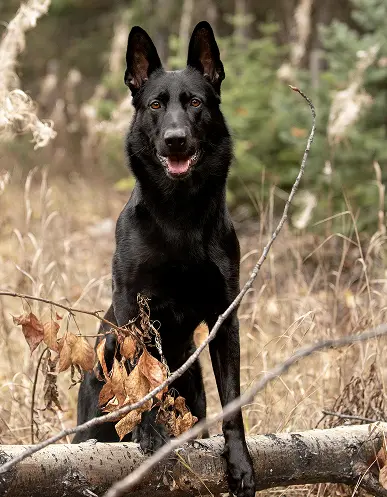
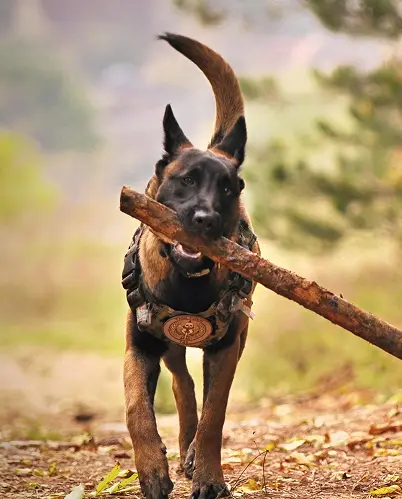
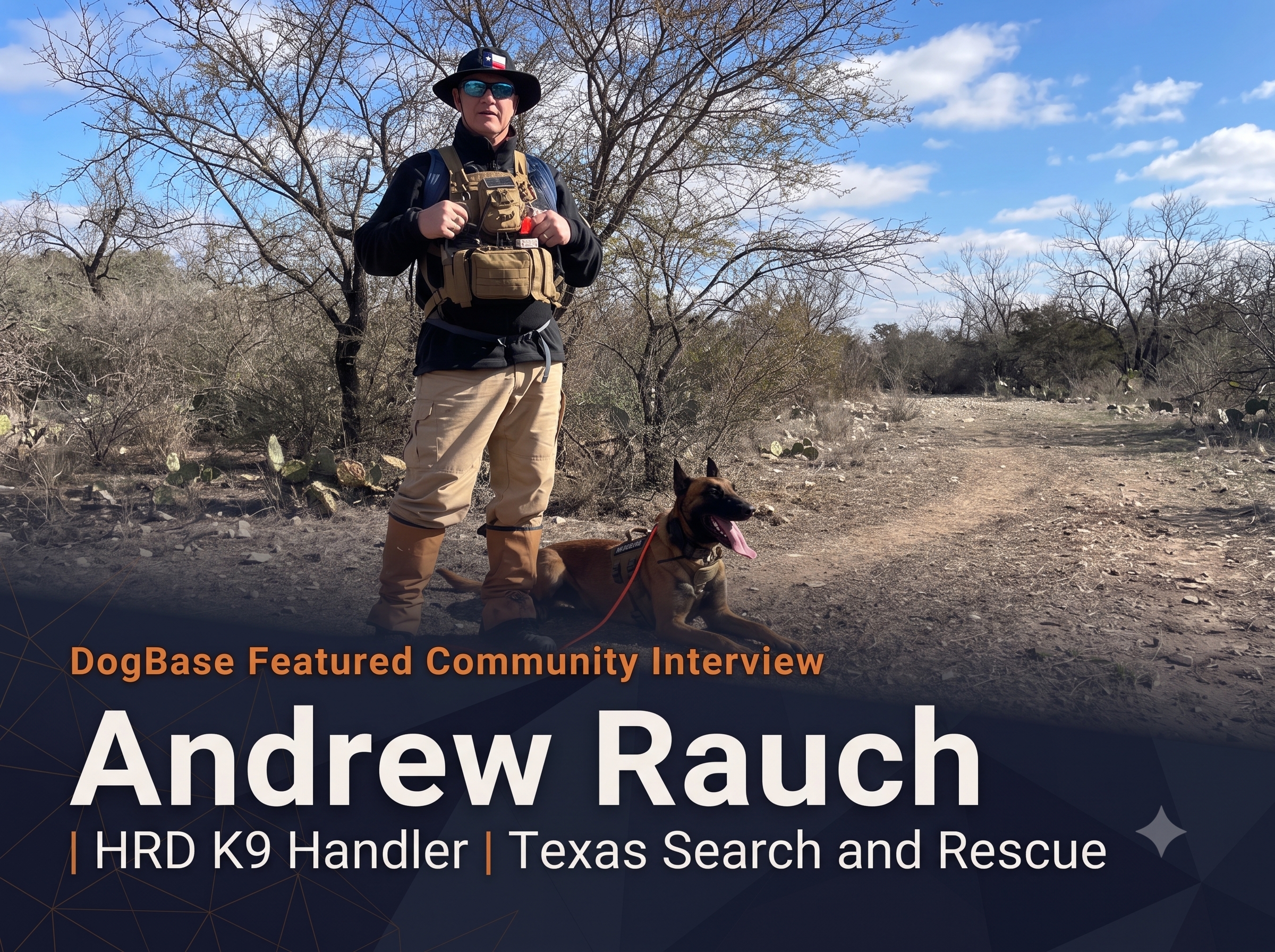
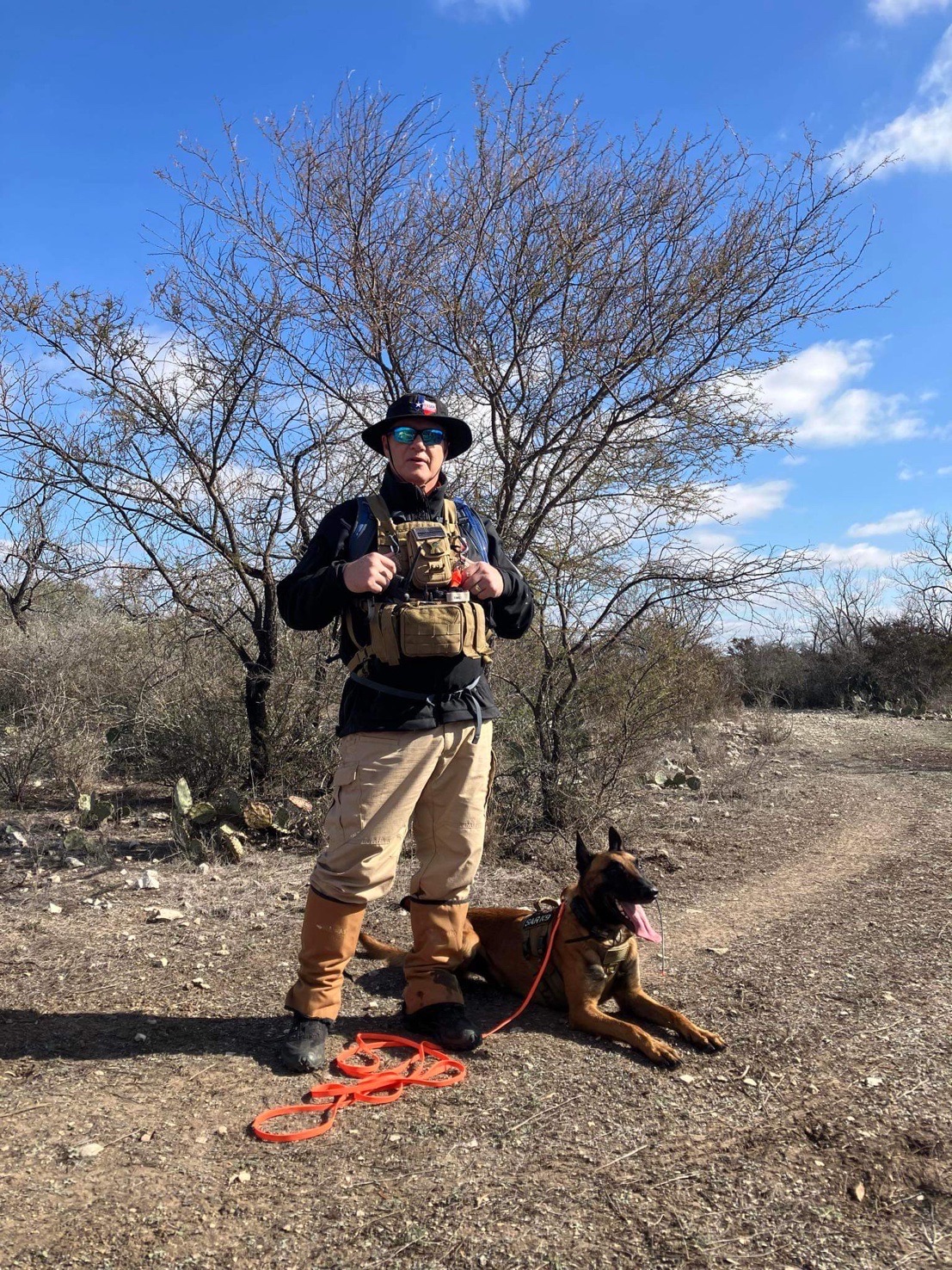
Andrew Rauch is a Human Remains Detection (HRD) K9 Handler with Texas Search and Rescue (TEXSAR), where he and his K9 partner, Murphy, deploy alongside local, state, and federal agencies to help locate missing persons and bring answers to families during some of life's most difficult moments.
Murphy is named in honor of Navy SEAL Lt. Michael P. Murphy, whose legacy of courage, sacrifice, and servant leadership inspires Andrew's approach to every mission. Together, they train year-round to remain operationally ready, spending hundreds of hours developing the trust, communication, and discipline required to perform in challenging wilderness and disaster environments.
While Andrew's professional career has focused on executive leadership and advising mission-driven organizations, search and rescue represents one of his deepest personal callings. He believes leadership is ultimately about serving others, especially when the stakes are highest. Whether navigating difficult terrain, working alongside fellow volunteers, or supporting law enforcement during critical incidents, his goal is always to serve with humility, excellence, and compassion.
Andrew values the extraordinary partnership between handler and dog. He describes Murphy as more than a working dog: a trusted teammate whose drive and commitment continually challenge him to become a better handler. Together, they strive to honor every deployment through professionalism, preparation, and respect for the families they serve.
Q: How did you start working with K9s?
I came to search and rescue through a desire to serve others in a practical and meaningful way in a latter season of life. While my professional career has been centered on executive leadership, I wanted to dedicate my time and skills to helping people during their greatest moments of need. That journey led me to Texas Search and Rescue (TEXSAR), where I was introduced to the incredible world of working dogs.
Q: What are some unique aspects of your K9 partner?
Murphy's greatest strengths are his unwavering drive, fierce loyalty, and relentless pursuit of excellence in everything he does. When it's time to work, he has an incredible ability to switch into mission mode with intense focus and determination. He genuinely loves to work, and his enthusiasm is contagious. Off the field, Murphy is deeply loyal and forms strong bonds with those he trusts, but once his harness goes on, his entire focus shifts to the search. What impresses me most is his consistency. Whether we're training or deployed on a mission, Murphy gives his very best every single time. That combination of drive, loyalty, and excellence is what makes him not only an exceptional HRD K9 but also an extraordinary partner.
Q: Can you share some challenges and triumphs?
One of the biggest challenges has been finding the right mentors and teammates who share a commitment to excellence, humility, and continual learning. Working through the devastating Central Texas floods of 2025 tested our training, resilience, and resolve. The greatest triumph has been serving alongside Texas first responders and helping provide families with answers and closure. Those moments remind me why every hour of training and every sacrifice is worthwhile.
Q: Describe the bond you share with your K9.
The bond Murphy and I share has been built through countless hours of training, deployments, and simply spending time together. Trust is the foundation of everything we do. In the field, I rely completely on his instincts, drive, and ability to do what he was trained to do, while he trusts me to lead, protect, and support him. Murphy is far more than my working dog. He is my teammate, buddy, and constant reminder that the strongest partnerships are built through consistency, trust, and shared purpose.
Q: What does daily life and training look like for you and your K9?
Murphy is first and foremost a member of our family, so our daily routine balances work, training, and time together. Each morning begins with obedience work and exercise to reinforce discipline and build engagement. During the day, we enjoy a walk together, followed by more exercise and family time in the evening. Every Saturday, we train with our TEXSAR K9 team to sharpen our skills, expose the dogs to new search scenarios, and strengthen our teamwork.
Q: Tell us a little about the K9 unit you're a part of.
Texas Search and Rescue (TEXSAR) is one of the largest all-volunteer search and rescue organizations in the nation, providing highly trained, specialized resources to local, state, and federal agencies at no cost. The organization maintains teams across the state and deploys for wilderness searches, flood and swiftwater rescues, disaster response, and K9 search and recovery missions.
I serve with the TEXSAR K9 Unit as a Human Remains Detection (HRD) K9 handler alongside my partner, Murphy. Our K9 team consists of nationally certified handlers and dogs who train year-round to support law enforcement with wilderness and urban live-find searches, as well as land and water human remains detection. Every handler owns and trains their own dog, and together we are committed to maintaining the highest standards of professionalism, operational readiness, and service to the communities of Texas.
Q: Describe a recent mission or case where your K9 unit made a significant difference.
Because many of our deployments support active law enforcement investigations, I can't share specific details about most of our missions. However, one recent high-profile case stands out. Murphy's work provided critical information that gave investigators an answer they didn't previously have and ultimately changed the direction of the investigation.
Q: What are some of the biggest challenges faced by K9 units in your field?
One of the biggest challenges facing K9 search and rescue units is that most teams are entirely volunteer-based. Handlers invest significant personal time and resources into training, equipment, veterinary care, travel, and deployment expenses. Finding experienced mentors and maintaining high-quality, consistent training opportunities are also critical to developing effective teams. For HRD K9s specifically, access to appropriate training sources is limited and requires careful stewardship, making realistic training more difficult.
Q: What advice would you give to aspiring K9 handlers?
Find the right team and mentors: people who are not only knowledgeable and experienced but also humble enough to keep learning themselves. Invest in building a genuine bond with your K9 because trust is the foundation of every successful partnership. For Murphy and me, embracing positive reinforcement was a game changer that strengthened both our relationship and his performance. Be prepared to commit the time; becoming an effective K9 team requires countless hours of training, repetition, and consistency. Finally, don't be afraid to fail. Every mistake is an opportunity to learn, improve, and become a better handler. Progress comes to those who stay teachable, remain patient, and never stop learning.
Q: How can the public support K9 units and their important work?
The public can make an enormous difference by supporting K9 teams financially, since most search and rescue handlers are volunteers who personally fund much of their training, equipment, veterinary care, and deployment expenses. Sponsoring a handler or K9 team helps ensure they remain mission-ready when communities need them most. Just as importantly, prayer and encouragement mean a great deal.
Q: How did you discover DogBase?
I found DogBase through Facebook.
Q: How has DogBase impacted your work with your K9/unit?
DogBase has saved me time and lets me provide law enforcement with excellent data whenever they need it.
Q: What are your favorite features of DogBase?
Being able to consistently record and document our work.
Q: What suggestions do you have for future development of the platform?
A mobile app.