Professional dog training software is one place to log client sessions, track each dog's progress, and hand clients a report they can actually read. DogBase lets you build your own training types and scoring rubrics, log sessions from your phone in seconds, and export a clean PDF by dog, client, or date range. Health records sit on the same dog profile, which matters in behavior cases. Groups covers seminars and clinics, and AI summaries point out what's stalling.
Most professional trainers rely on verbal updates, text messages, and occasional emails to communicate progress with clients. It works until a client forgets what you said, questions whether the fee is justified, or needs documentation for an insurance claim, housing application, or behavioral referral. DogBase logs every session and lets you filter and export a clean, structured training report in one click, by dog, by date range, by training type. The report shows every session, every milestone, every observation, every next step. It's professional documentation that looks like it took hours but took seconds. For solo trainers, it's the difference between clients who feel left out and clients who feel confident. For academies and group programs, it's the graduation documentation, the cohort summary, the curriculum completion record that proves the program does what it says it does.
A training report that clients can read is your best business card. DogBase makes it one click. Almog Koren, Founder & SAR K9 Handler


Define your own training types, scoring rubrics, and session workflows with fields that match how you actually train. Obedience phases, behavioral thresholds, sport drills, and evaluation criteria are built once and used consistently by every trainer on your team.
Medications, vet visits, vaccinations, weight, and behavioral notes alongside training data. Critical for behavioral modification cases where a behavior shift could be training progress or a medication change. One profile per dog, full picture always visible.
DogBase generates plain-language training summaries and performance recaps from your session data automatically. It highlights what improved, what regressed, and what to focus on next without requiring you to review individual logs. Built for trainers managing multiple clients.
Filter performance by training type, environment, handler, or dog and compare across any combination. Spot which clients are progressing and which are plateauing. Data-driven coaching decisions instead of gut feel.
DONE FOR YOU
Tell us how you or your team trains: your disciplines, your actions, your workflow, and what you currently track. Submit your request and we'll take it from there.
Request Your Custom Type →We respond within 3 business days.
Submit your training details
We review and reach out personally
We build it for you


Filter the dog's training history by client, date range, or training type and export it to PDF in one click. You can also export to Excel or CSV, or share a single session record by link. The report shows each session, milestone, observation, and next step. Clients see the work they paid for, instead of a text message they'll forget by next week.
Yes. The Custom Type Builder lets you create your own training types and action types with the fields, scoring, and outcomes you already use, whether that's obedience phases, behavior thresholds, or a temperament evaluation rubric. Build it once and every trainer on your team logs the same way. Don't want to build it yourself? DogBase will set up your first custom training type for free.
Yes. The Health Center keeps vet visits, medications, vaccinations, nutrition, measurements, and health notes on the same dog profile as your training sessions. Log trigger distances, reactivity levels, and observations in structured fields, then read them next to the medication history. That's how you tell whether a behavior shift came from training or from a dose change. Reminders flag medications and appointments when they're due.
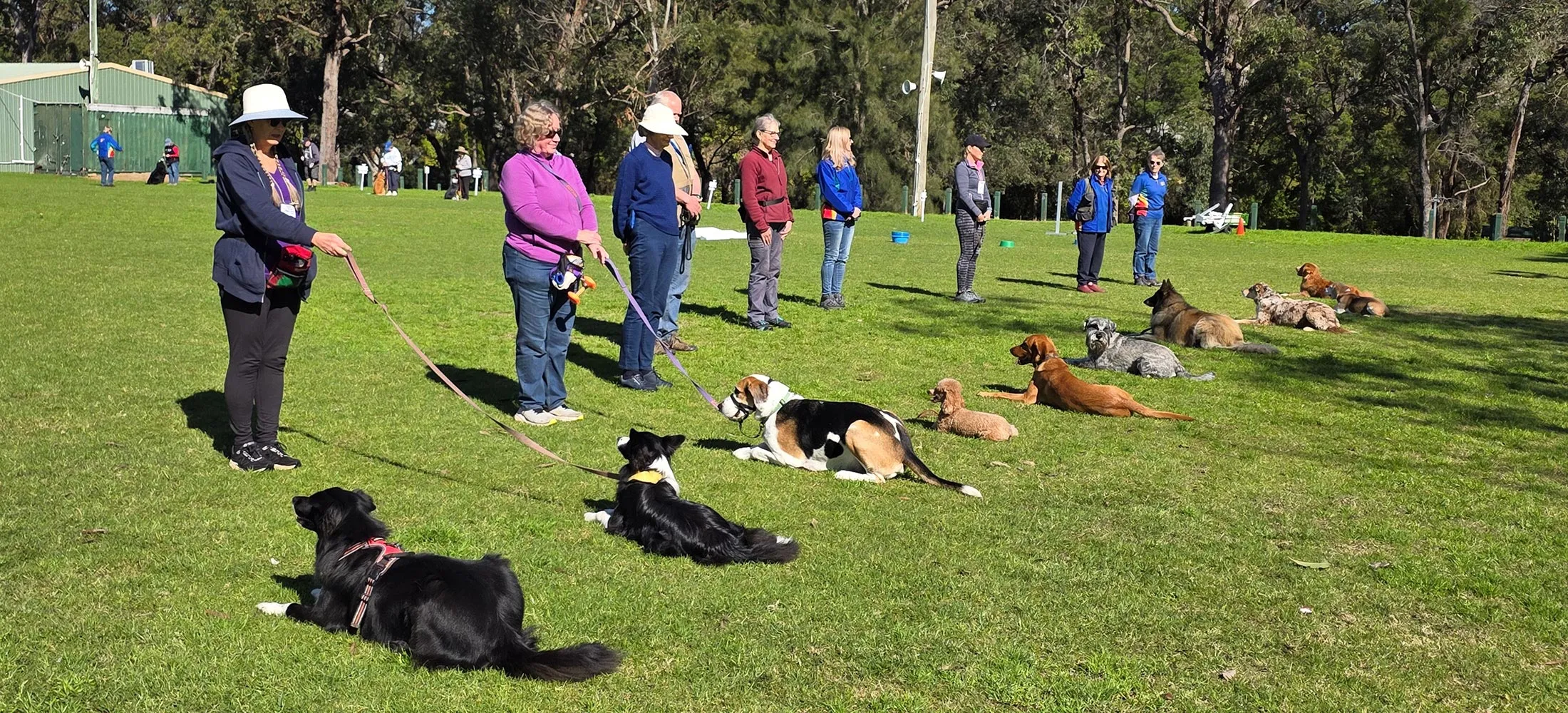
Use Groups. You set up a shared group, put the event on a shared calendar, assign sessions to each participant, and track who completed what. Handlers stay on their own DogBase accounts and each one keeps their own records. You keep visibility across the whole group, so a weekend clinic ends with every attendee's work documented instead of scattered across notebooks.
Yes. Each person gets a user type (Dog Handler, Trainer, or Viewer) and a role (Admin or Member). Record visibility has three levels: all records, team records, or only their own. So an assistant trainer logs sessions for the dogs they work, and a client added as a Viewer can follow progress. It works for a solo trainer with one dog or an academy across several locations.